Hakubaku USDA Organic Soba – Gentle-on-the-Gut Noodle for Toddler and Family Dinners
Hakubaku USDA Organic Soba – Gentle-on-the-Gut Noodle for Toddler and Family Dinners
Couldn't load pickup availability
Why you'll love it
- Cooks in just 3-5 minutes for fast weeknight dinners
- USDA organic certification means no synthetic pesticides in the wheat and buckwheat
- Kosher certification expands household and guest compatibility
- Authentic Japanese product delivers restaurant-style soba at home
- Minimal three-ingredient list (organic wheat flour, organic buckwheat flour, water) signals clean eating
- Versatile format works equally well in hot broths or chilled summer salads
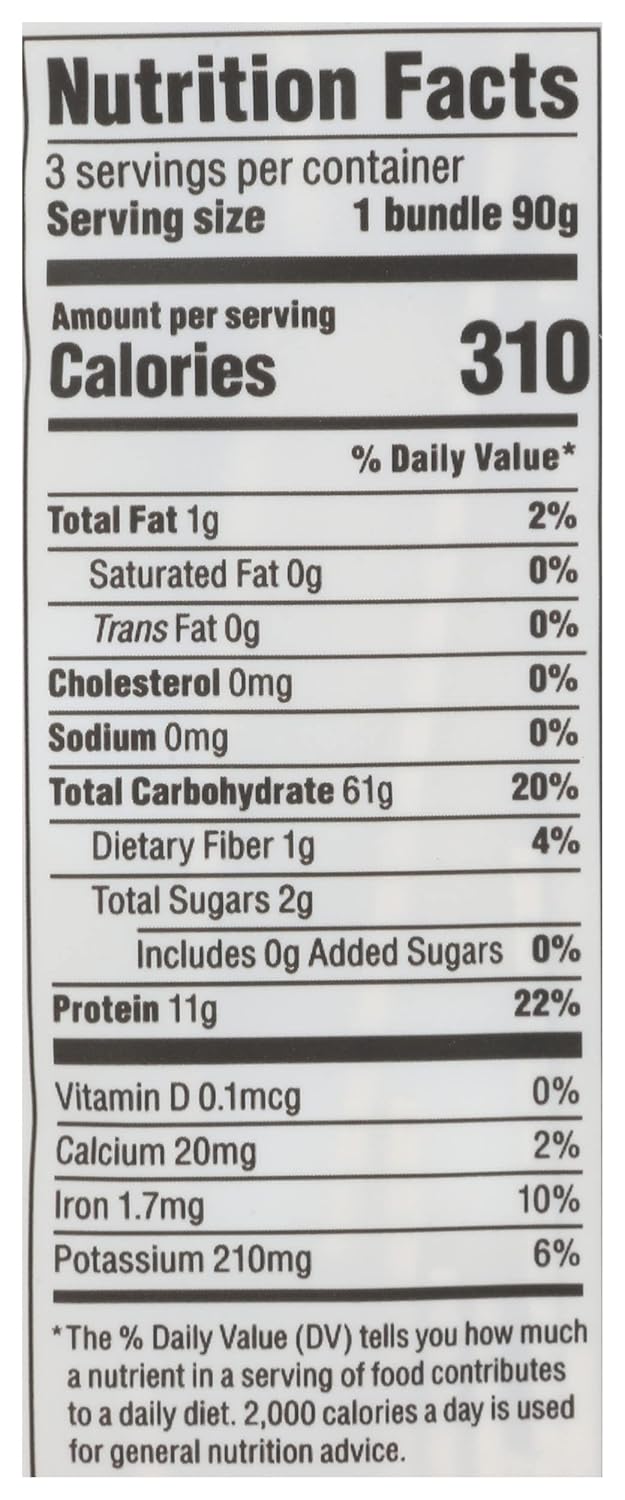
- no added salt / very low sodium content
- mild buckwheat flavor without bitterness
- holds texture well without getting mushy
- separated into three bundles for easy portioning
- rinses cleanly and isn't too slippery
- cooks quickly (3-4 minutes)
- works well in stir-fries where noodles grab sauce from the pan
- authentic taste reminiscent of soba eaten in Japan (Nagano)
- great value compared to grocery store prices
- fast and well-packaged shipping
- good for people with diabetes
- aesthetic/attractive packaging and shelf presence
Perfect for
- Quick 3-5 minute weeknight dinner base for stir-fry or hot broth
- Cold zaru soba salad with dipping sauce for warm-weather meals
- Meal-prepped lunch bowls for the office
- Authentic Japanese hot pot or tsukimi-style dinner
- Gluten-tolerant alternative noodle swap for pasta dishes
- thai peanut sauce stir-fry with chicken (specific family recipe)
- yakisoba
- cold Asian noodle dishes
- dipping sauce (tsuyu) with extra sides
- Asian-inspired soups
- dashi soup base with miso, tofu, and vegetables
- end-of-meal noodle water (soupyu)

About Us
Hakubaku, since its foundation in Japan, has been working on delicious tasting grains We keep striving to explore new possibilities of grains every day.
What does Hakubaku mean? “Hakubaku” means “White Barley” in Japanese. It describes Hakubaku’s desire that our customers will enjoy nutrient-rich “Barley” in the same way as white rice, which is primary food in Japan. Since the foundation, we have been deeply involved with 5 Grains; Barley, Rice, Millet, Wheat and Soba(Buckwheat). Our corporate logo expresses that 5 Grains will spread worldwide thereafter. “Kokumotsu” means “Grain” in Japanese. In view of our corporate history and our determination to keep providing the ideal diet, we define ourselves as “The Kokumotsu Company”. We continue to deepen our knowledge on grains and realize “The Kokumotsu Company” through providing new innovations in grain products and processing technology.
Product Information
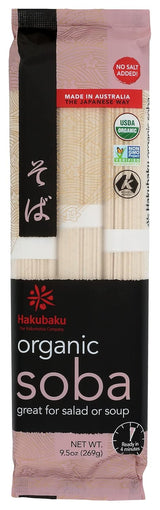
Authentic Japanese buckwheat noodles USDA certified organic Kosher certified
Product Dimensions : 8.9 x 2.4 x 0.9 inches; 9.6 ounces Item model number : 0837328001026 UPC : 837328001026 Manufacturer : Hakubaku Units : 9.5 Ounce Best Sellers Rank: #11,105 in Grocery & Gourmet Food Authentic Japanese buckwheat noodles USDA certified organic Kosher certified Ingredients: Organic Wheat Flour, Organic Buckwheat Flour, Water Directions: Boil for 3-5 minutes until al dente. Legal Disclaimer Statements regarding dietary supplements have not been evaluated by the FDA and are not intended to diagnose, treat, cure, or prevent any disease or health condition.
Frequently Asked Questions
Does this soba have no added salt, and is it safe for a low-sodium or cardiologist-recommended diet?
Yes. Hakubaku Organic Soba is formulated with no added salt and contains only a small amount of naturally occurring salt from the buckwheat, making it a friendly pantry staple for low-sodium and heart-conscious eating plans.
Is this product suitable for people managing diabetes?
Buckwheat has a lower glycemic impact than many refined wheat pastas, and the short, organic ingredient list makes it easier to fit into a diabetic-friendly meal. Pair it with vegetables and lean protein for balanced blood sugar support.
Are the wheat and buckwheat USDA Certified Organic and free of synthetic pesticides?
Yes. Both the organic wheat flour and organic buckwheat flour are USDA Certified Organic, meaning they are grown without synthetic pesticides or fertilizers for a cleaner noodle choice.
Is this soba gentle enough for toddlers and young children?
Yes. The mild buckwheat flavor is not bitter, the noodles cook soft in 3-5 minutes, and the short ingredient list means nothing unnecessary is added to family meals.
Does the clean three-ingredient list actually support a wellness-focused lifestyle?
Yes. With just organic wheat flour, organic buckwheat flour, and water, you can read the label at a glance and know exactly what is going into your body, which aligns with mindful, clean-eating habits.
I'm switching to a heart-healthy pantry — is this a good soba to start with?
Yes. The no-added-salt formulation, organic whole grains, and buckwheat's naturally plant-based profile make it an excellent foundational noodle for a heart-conscious pantry reset.
Can I use this soba as part of a plant-based or flexitarian weekly ritual?
Yes. Because it is plant-based and certified organic, it slides easily into meatless meals like miso broth, tofu stir-fry, and chilled sesame salads several nights a week.
Will this soba help me wind down with a calming, nourishing dinner ritual?
Yes. A warm bowl of soba in dashi broth with tofu and greens is a classic Japanese comfort meal that supports a slow, intentional end to the day.
Is it organic soba better than regular grocery store soba for clean eating?
Yes. Hakubaku is USDA Certified Organic with a short three-ingredient list, while many grocery store sobas include added salt, preservatives, and conventional flour.
Is this soba better than regular pasta for a wellness lifestyle?
For many wellness-focused eaters, yes. Buckwheat offers plant-based nutrients and a lower glycemic load than refined wheat pasta, and the minimal ingredient list keeps your meal cleaner.
Is the buckwheat flavor strong or bitter in a soba made mostly of wheat?
Not at all. This blend is balanced to deliver a mild, pleasant buckwheat taste without the bitterness that turns some people off of pure buckwheat noodles.
Will my cardiologist approve of eating these noodles regularly?
Most low-sodium and heart-healthy plans welcome organic, no-added-salt whole grain noodles like this one. As always, confirm with your own provider for your personal numbers.
I'm worried buckwheat will taste too earthy for my family — will they actually eat it?
Yes. The mild, balanced flavor is what customers consistently praise. Even picky eaters tend to enjoy it in broth, stir-fry, or chilled with dipping sauce.
Is the packaging food-safe and free of harmful chemicals?
Yes. Hakubaku packages its organic soba in food-safe materials designed to protect freshness without compromising the clean standards of the noodles inside.
I've never cooked soba before — is this a low-risk way to start a wellness habit?
Yes. The pre-portioned bundles and 3-5 minute cook time make it almost impossible to mess up, so you can build a soothing dinner ritual with very little effort.
Is this a good option for a Kosher-keeping household?
Yes. Hakubaku Organic Soba is Kosher certified, so it fits seamlessly into Kosher kitchens and can be served to observant family members and guests.
How do I cook Hakubaku Organic Soba on the stovetop?
Bring a pot of water to a rolling boil, add one bundle of soba, and stir gently. Boil for 3-5 minutes until al dente, then drain. Rinse under cold water if serving chilled, or skip the rinse and add directly to hot broth.
Can I use these soba noodles for stir-fry and yakisoba?
Yes. Boil the noodles for 3-4 minutes, drain, and rinse briefly. Then toss into a hot pan with vegetables, protein, and yakisoba or stir-fry sauce. The noodles grab sauce well without turning mushy.
What is the best way to serve soba cold with dipping sauce?
Cook the noodles, drain, and rinse thoroughly under cold water to remove starch. Arrange on a plate or bamboo mat, then serve with chilled tsuyu dipping sauce and toppings like sliced green onion, grated daikon, or wasabi.
Does this soba work with gluten-free diets?
No. This product contains organic wheat flour along with buckwheat flour, so it is not suitable for a gluten-free diet or for anyone with celiac disease.
Can I freeze the cooked noodles for later?
Yes. Rinse and drain the cooked noodles, portion into freezer bags, and freeze for up to one month. Reheat briefly in boiling water or add directly to hot soup or stir-fry.
What comes in the box, and what do I need to buy separately?
The box contains 9.5 oz of organic soba noodles pre-divided into three bundles. You provide the water, broth or sauce, and any toppings or protein you want to add.
Is it safe for people with food allergies?
The ingredient list is short — organic wheat flour, organic buckwheat flour, water, and a small amount of organic salt for the cooking water. It is not suitable for anyone with a wheat or buckwheat allergy.
How should I store an opened box of soba?
Keep the unopened bundles in a cool, dry pantry. After opening, seal the remaining bundles in an airtight bag or container and use within a few months for best texture and flavor.
What is the difference between soba, udon, and ramen noodles?
Soba is made from buckwheat flour (often blended with wheat) and has a nutty, earthy flavor and a firm bite. Udon is a thick, chewy wheat noodle. Ramen is a wheat noodle typically served in a rich, salty broth. Soba is the most versatile of the three, working equally well hot, cold, in soup, or in stir-fry.